Led 3-person design team
Zero-to-one
Web 3



The challenge
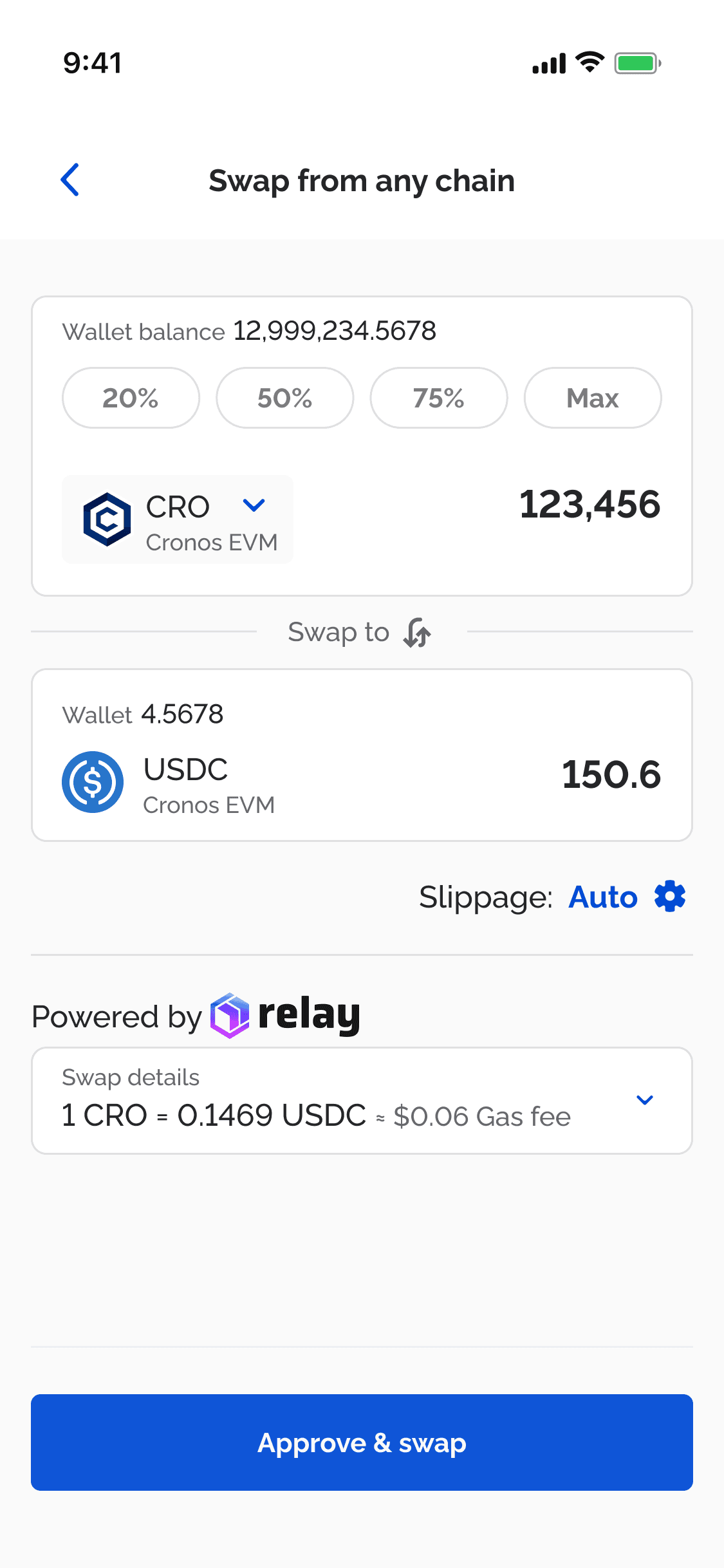
Cronos was losing prediction market activity to competitors. Users had to leave the ecosystem entirely to place trades pulling volume and engagement outside the platform. The business objective was to prove that a native protocol could retain users within Cronos and generate real trading activity.
We were given 6 weeks. No existing user base, no IA to inherit, and a product category that most users had never encountered before.
The PM proposed lifting the IA directly from a competitor to hit the deadline. I pushed back: we couldn't commit to a structure before understanding our users. I presented a clear discovery plan and won
a 2-week research extension.
My role
Led two product designers across the full project and post-MVP.
Owned: user research, IA, primary flows, and final design approval. The job wasn't just designing Delphi. It was making sure three designers shipped one coherent product.
How I ran the team
Design team
Two design syncs per week: one to review progress, one to make decisions and unblock. During discovery we formed hypotheses together rather than me handing down conclusions.
Wider team
I set up a weekly design show and tell with Product and Engineering from day one, ramping to twice a week during build, with a parallel engineering show and tell alongside it so developers walked through the build step by step.
Research approach
Competitive
analysis
User
interviews
Workshop
& IA
Prototyping
& testing
I looked at 12 existing prediction markets Polymarket, Kalshi, Manifold, and others comparing features, design, and real usage data.

Accessibility gap
Half weren't beginner-friendly. We owned accessibility.
Market creation gap
Only 3 of 12 let users create markets. We made it core.
Engagement, not reach
Polymarket: $607M from 437k users. Limitless: $38M from 600. Depth beats reach.

User interviews
I ran 7 interviews with a mix of newcomers and experienced users. Instead of asking what they wanted, I had each person pick their favourite protocol Polymarket, Manifold, whatever they actually used and walk me through how they used it, what they looked for, and where they got stuck.
Three patterns kept emerging.
Key insights
Placing a bet shouldn't require a trader's vocabulary
People join when the market looks active and trustworthy
Engagement shouldn't end the moment a bet is placed
User persona

Design principles
Why it matters: These insights shaped the MVP scope and structure, prioritising clarity, confidence, and early participation over feature depth.
Principle #1
Clarity before power
Make outcomes and next steps clear before introducing advanced controls.
Principle #2
Reveal complexity gradually
Only show advanced detail when users need it.
Principle #3
Keep jobs separate
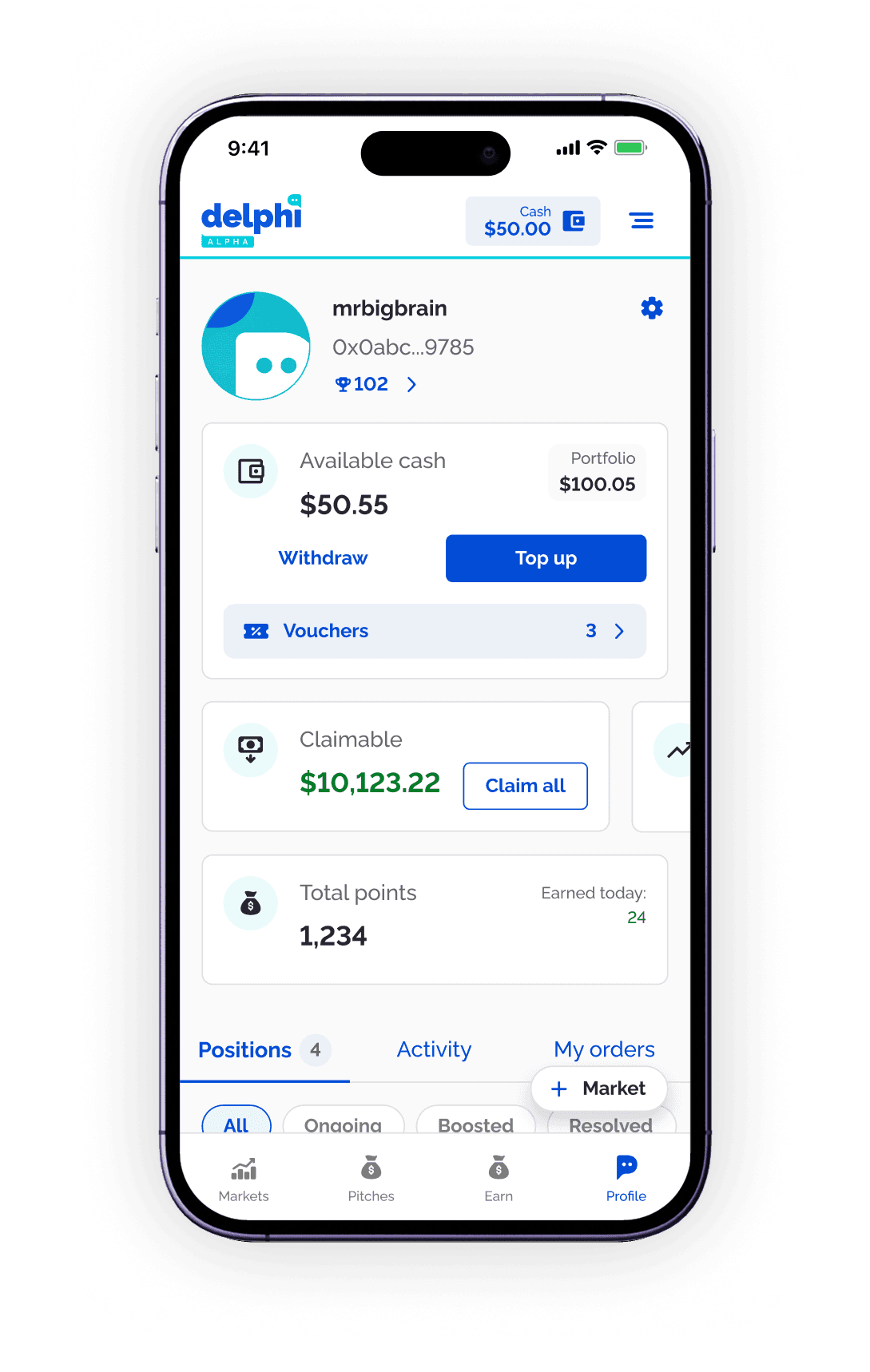
Treat Discover, Portfolio, and Rewards as distinct tasks
Principle #4
Design for confidence
Use clear states, confirmations, and recovery paths to reduce anxiety.
IA workshop
(how I drove alignment)
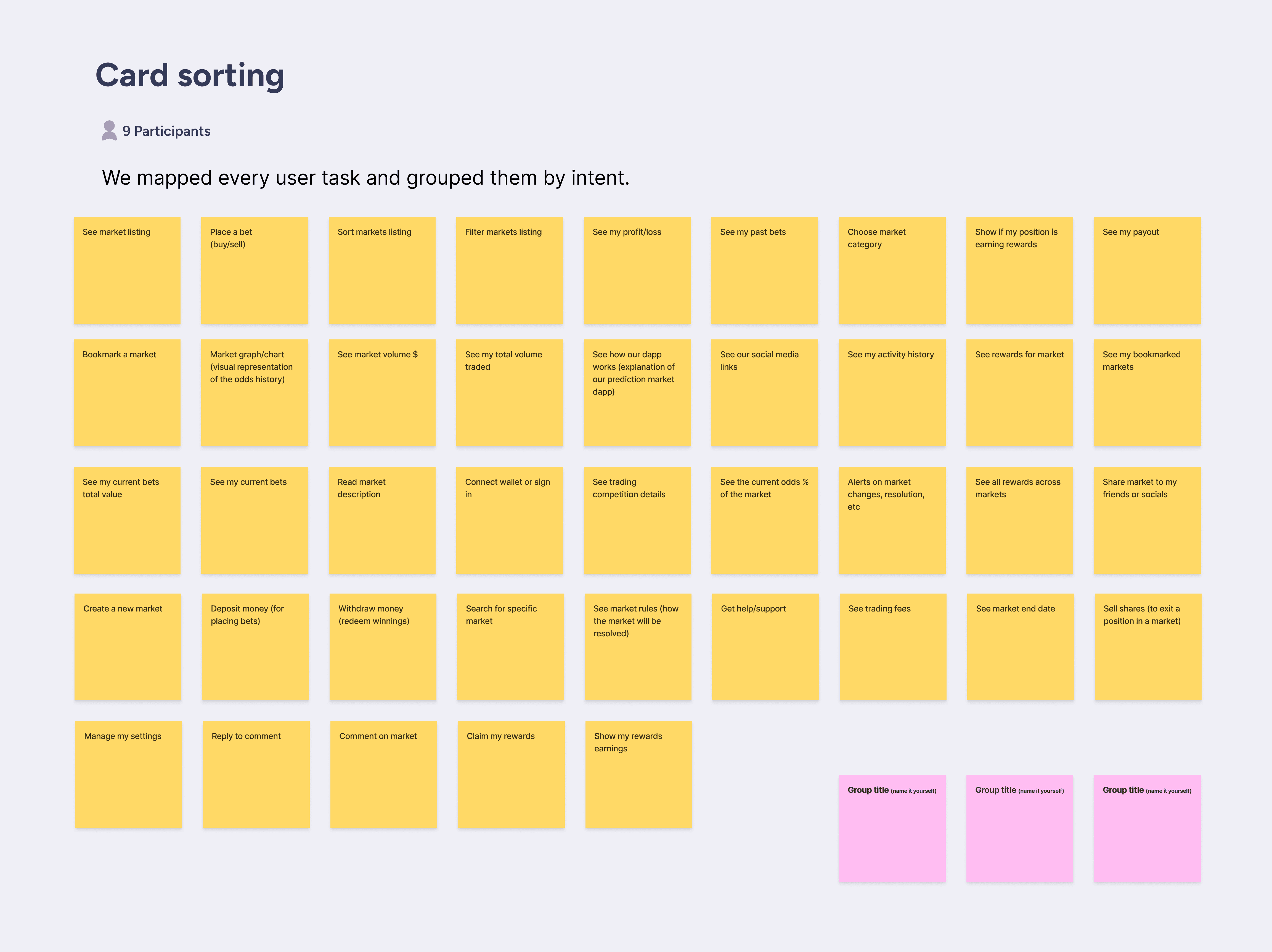
Research time was tight, but alignment on product structure had to happen before a single screen was built. I organised a hands-on card sorting workshop with Product and Engineering (10 participants across both disciplines) to map user tasks, group them by intent, and agree the MVP navigation in the room.
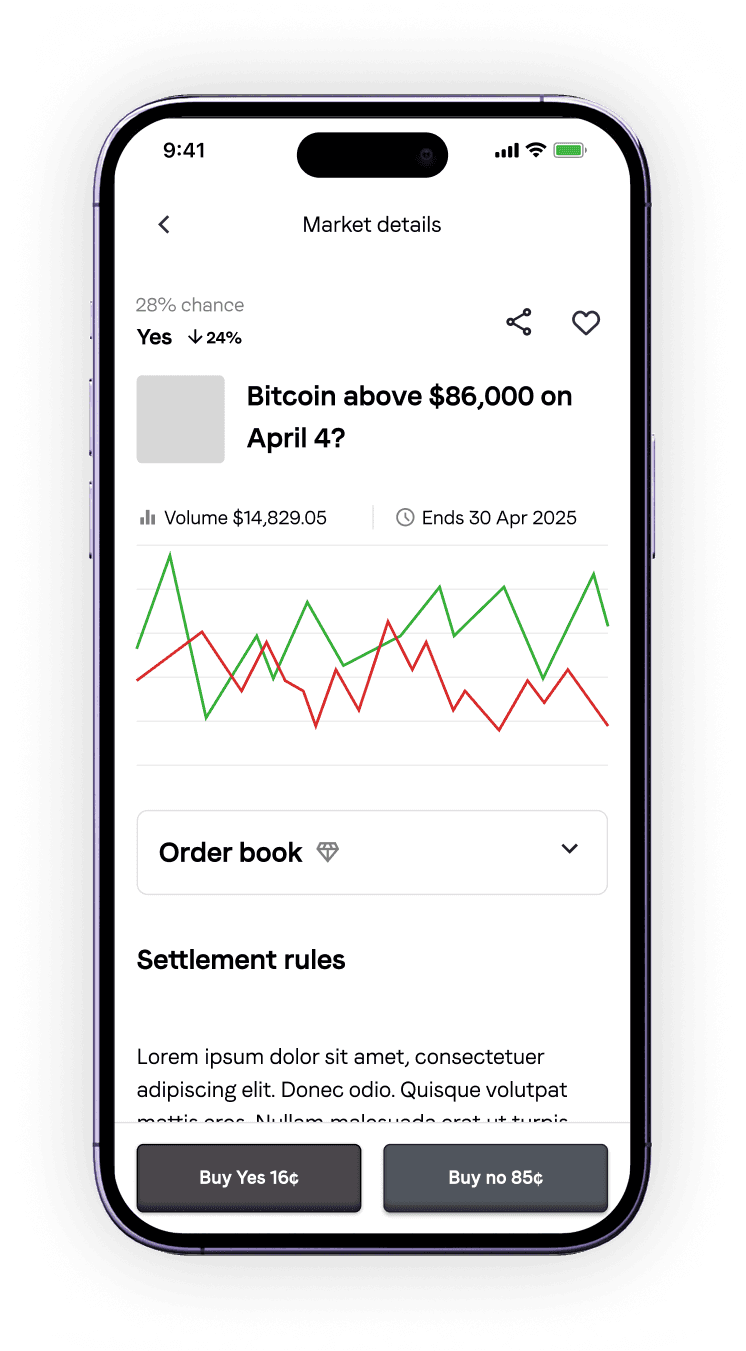
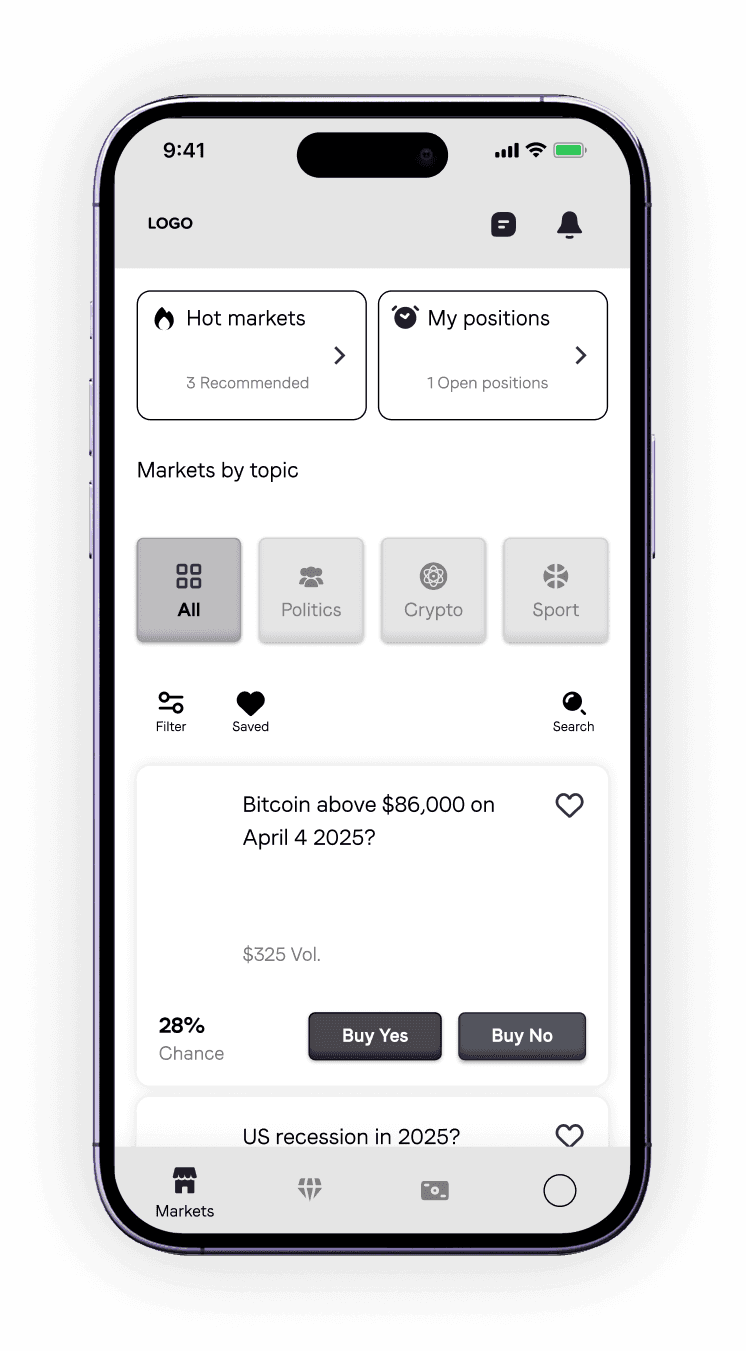
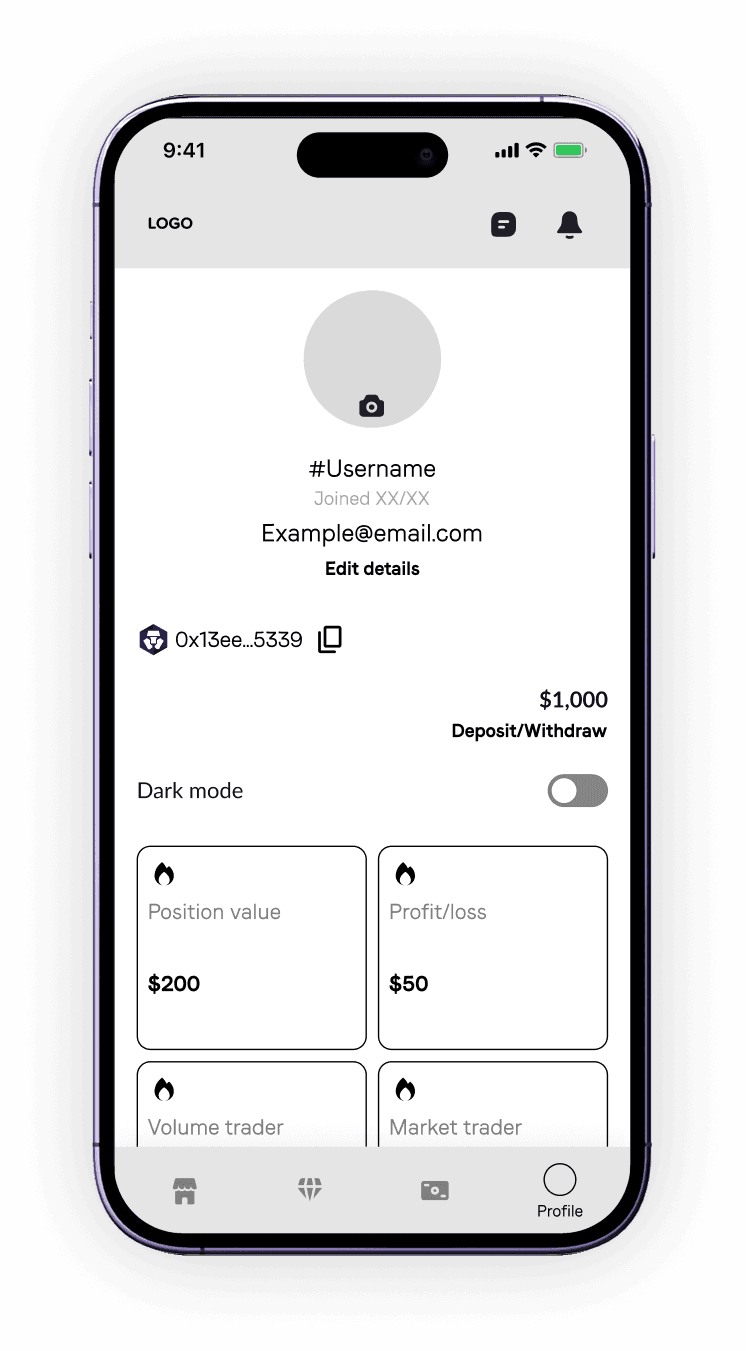
With architecture and principles locked, I moved into wireframing and early validation to pressure-test the riskiest parts of the flow before visual design making sure users could understand the system, complete key actions, and recover from mistakes without extra explanation.
User test results
6 participants tested Delphi across 6 tasks.
Overall
sentiment
Core flows worked. Non-crypto users struggled with the trading mechanics, the interface didn't bridge the gap.
Every participant confused rewards with winnings.
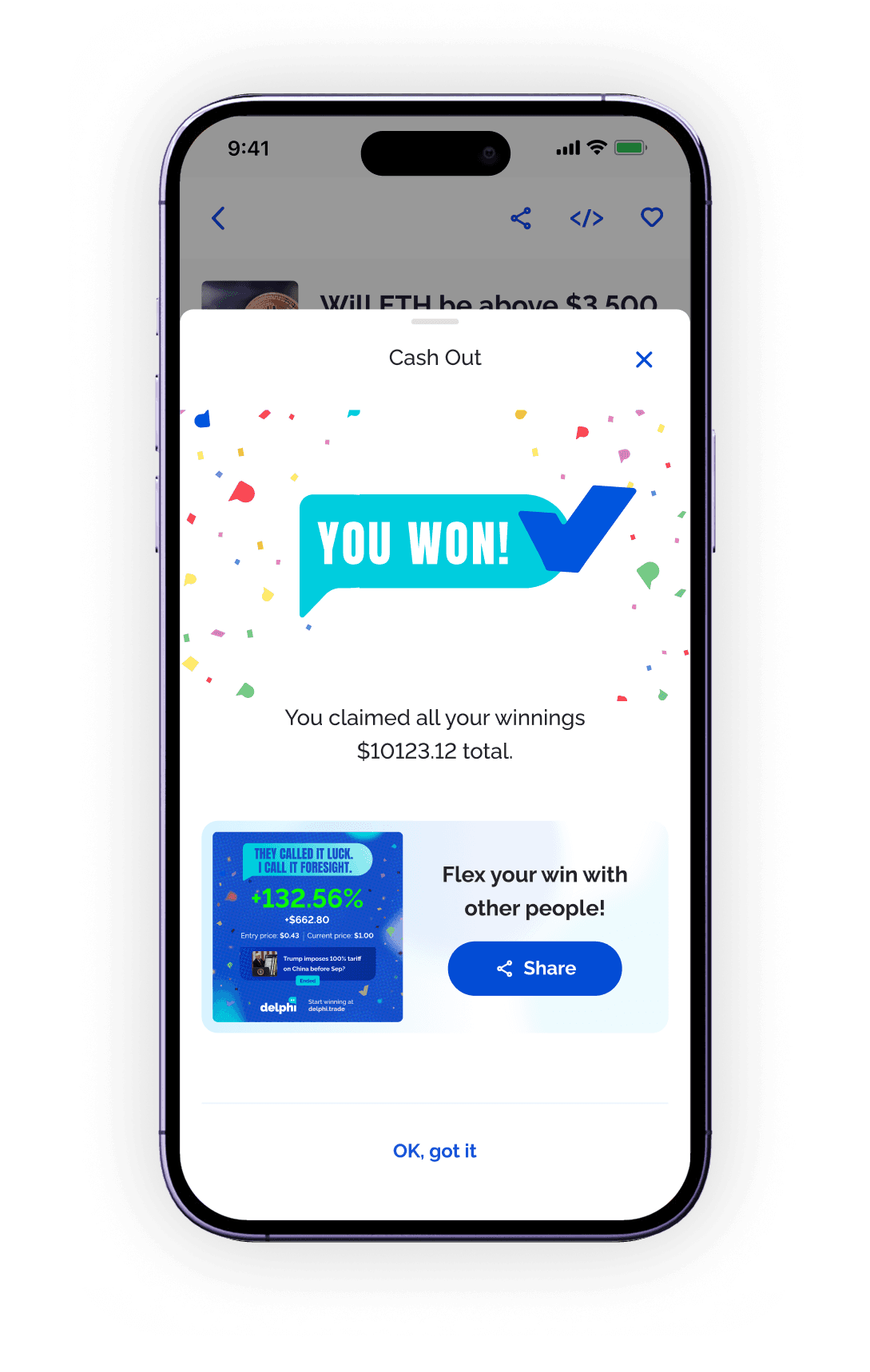
We shipped with a known problem and a plan to fix it
The plan: monitor Discord community sentiment as live qualitative data and use screen recordings to study actual behaviour post-launch.

I established core UI foundations and component patterns, evolving them into a lightweight design system that supported consistency and rapid iteration across the MVP and future features.
Components were built to WCAG 2.1 Level AA as a baseline, contrast ratios, labelled inputs, and descriptive error states were defined at system level, not left to individual screens.


Design decisions
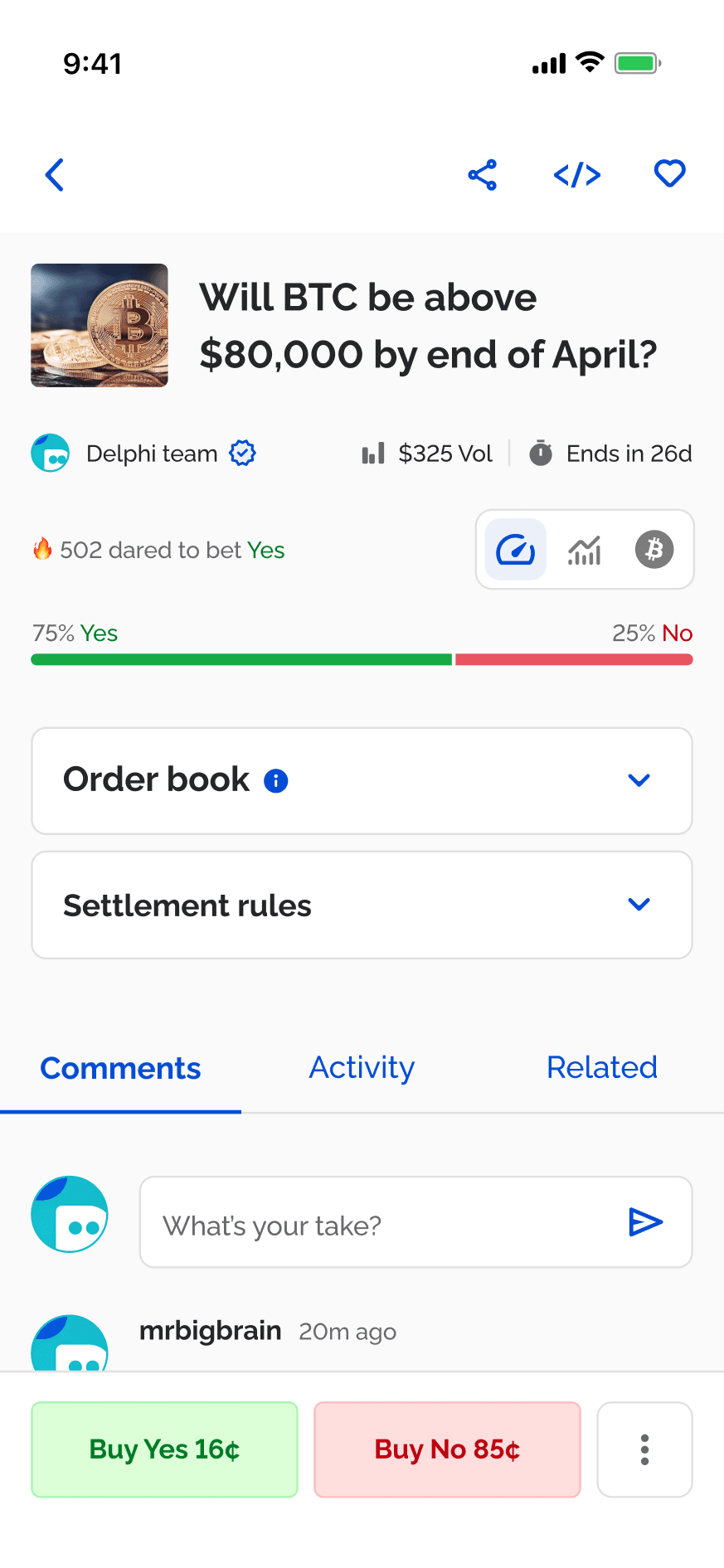
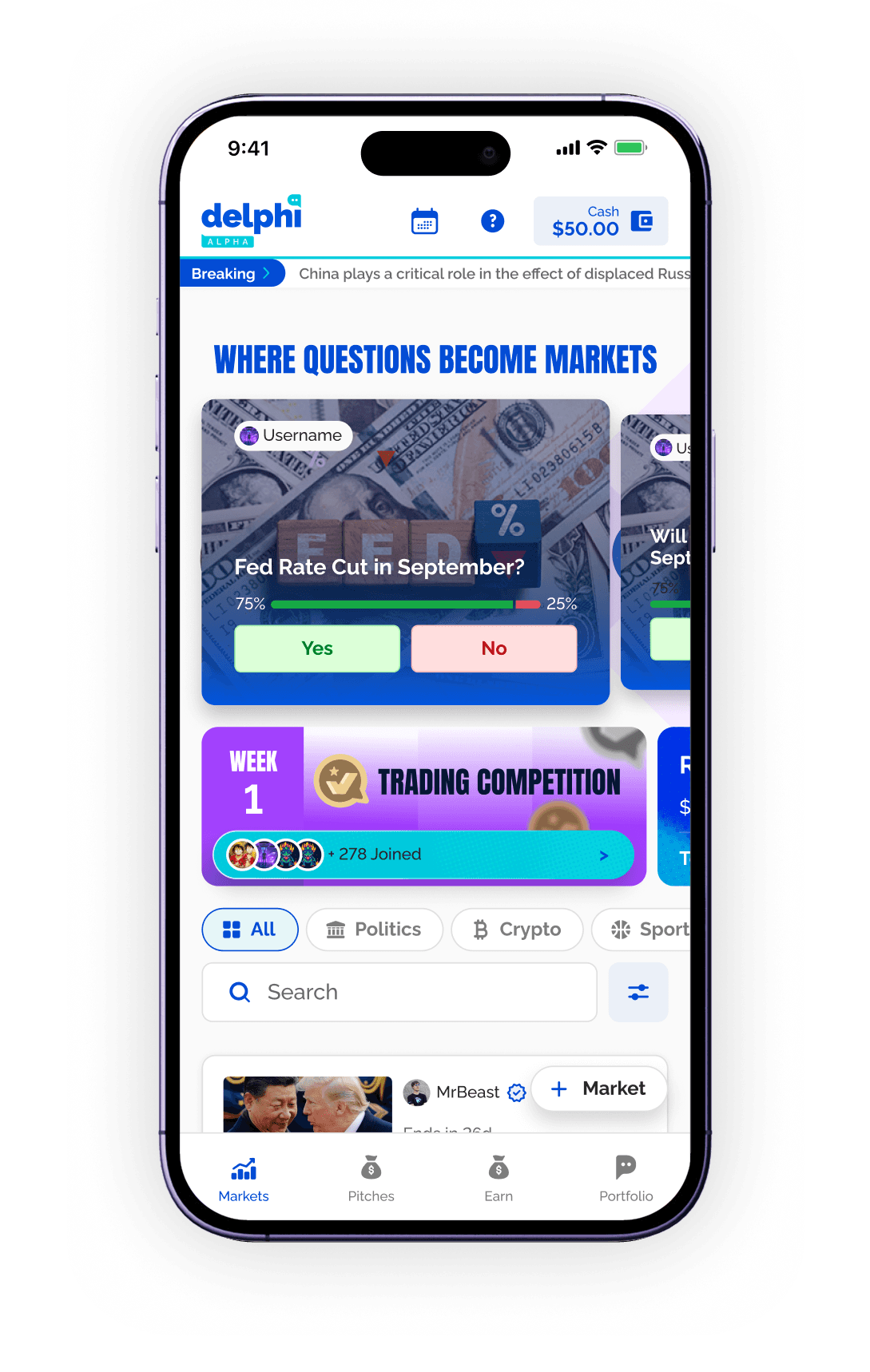
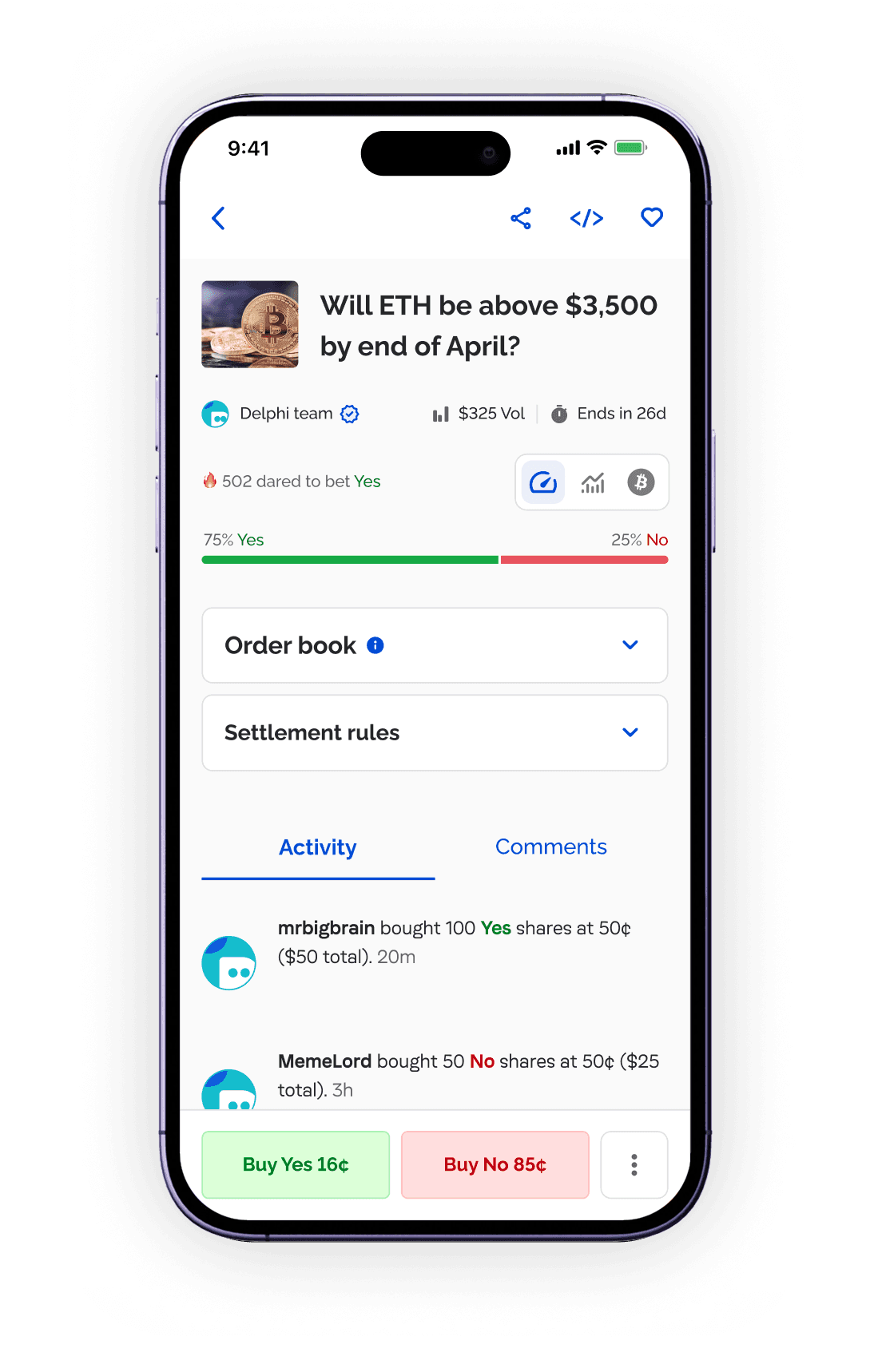


54%
First-trade activation
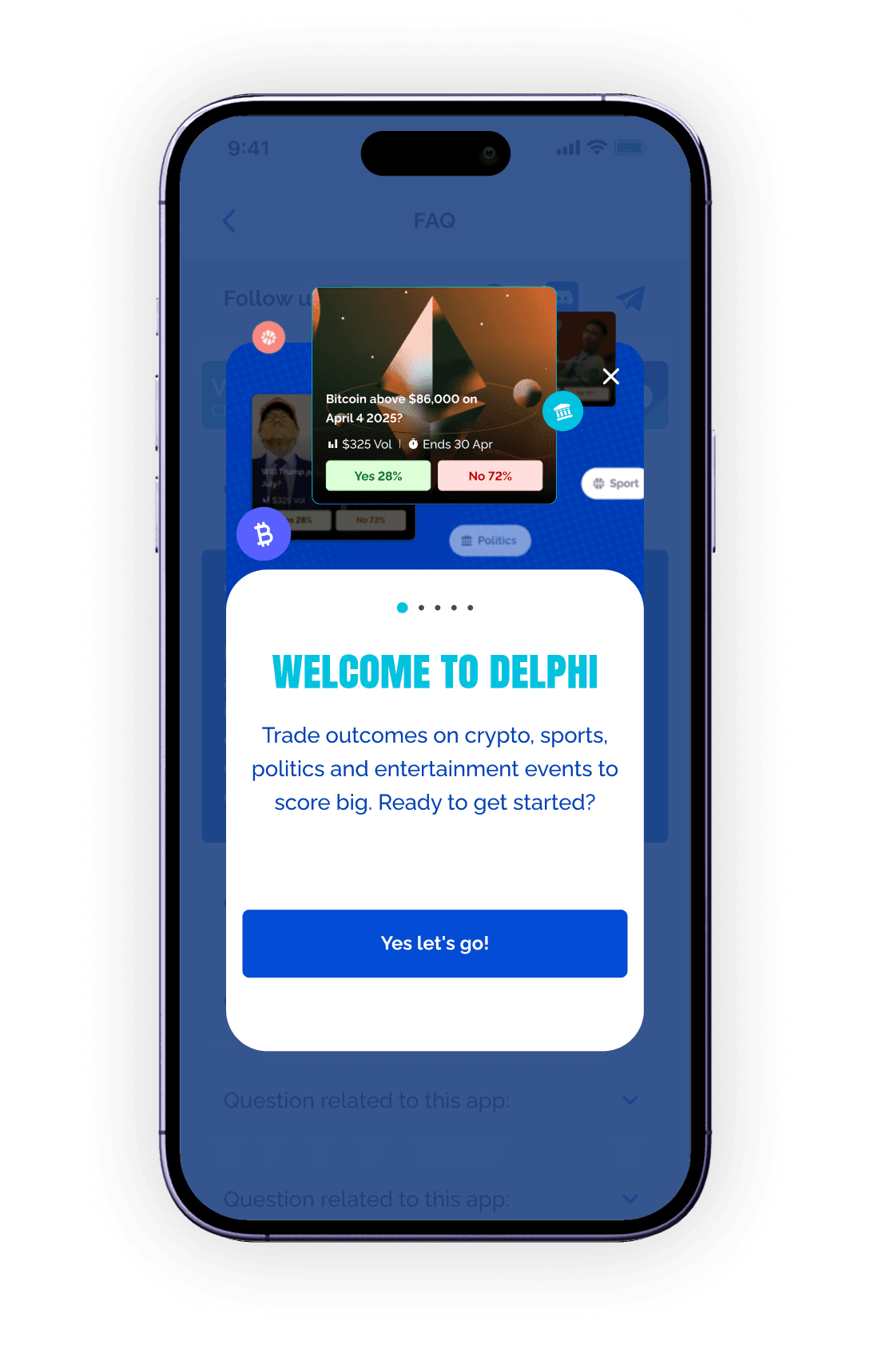
up from 42% in month two. We introduced a welcome incentive for users who traded within their first 3 days.
43%
second-trade rate
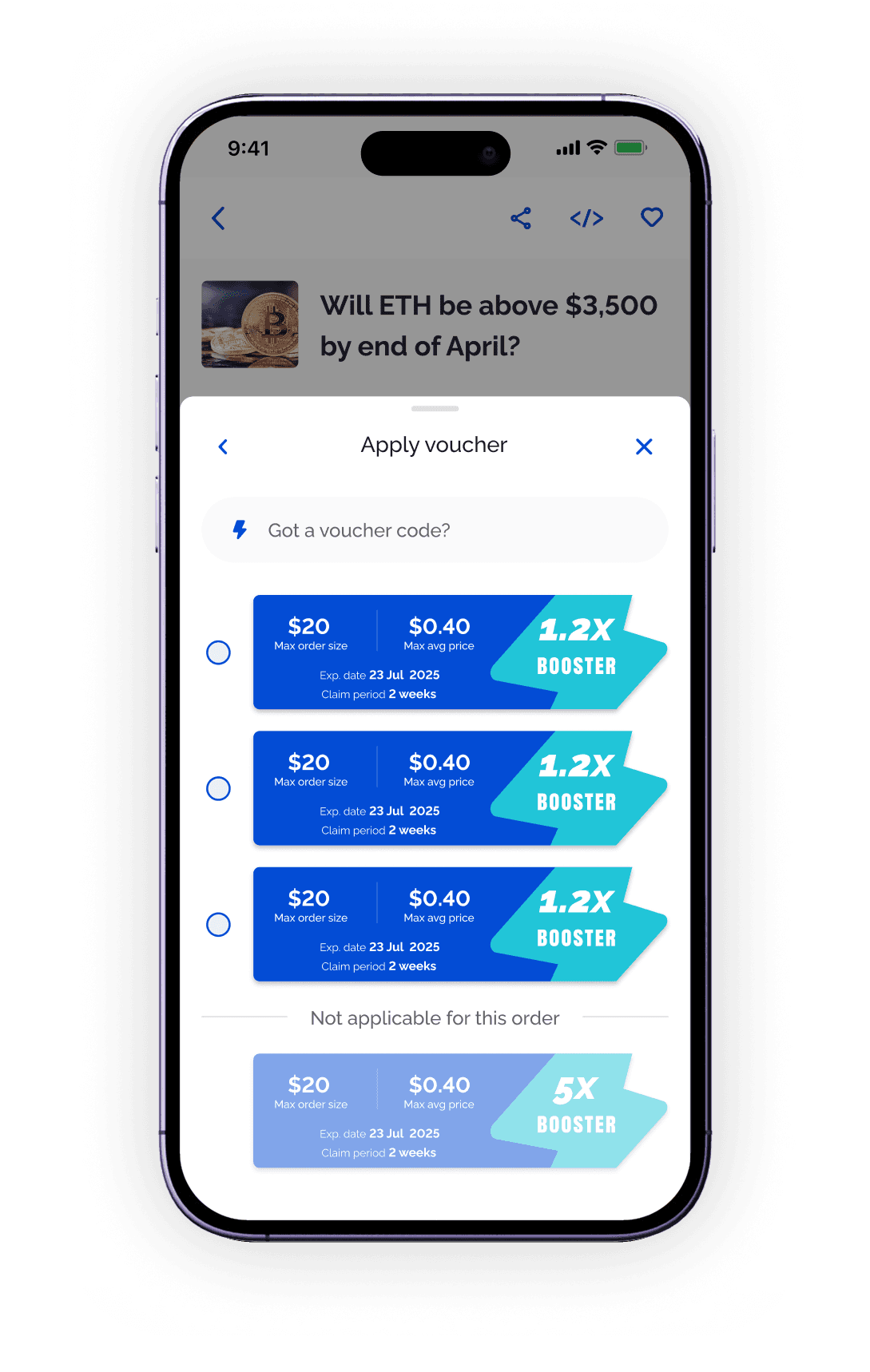
driven by limited-time 2×/3× reward multiplier events, giving users a specific reason to return.
82%
of users who started a trade completed it
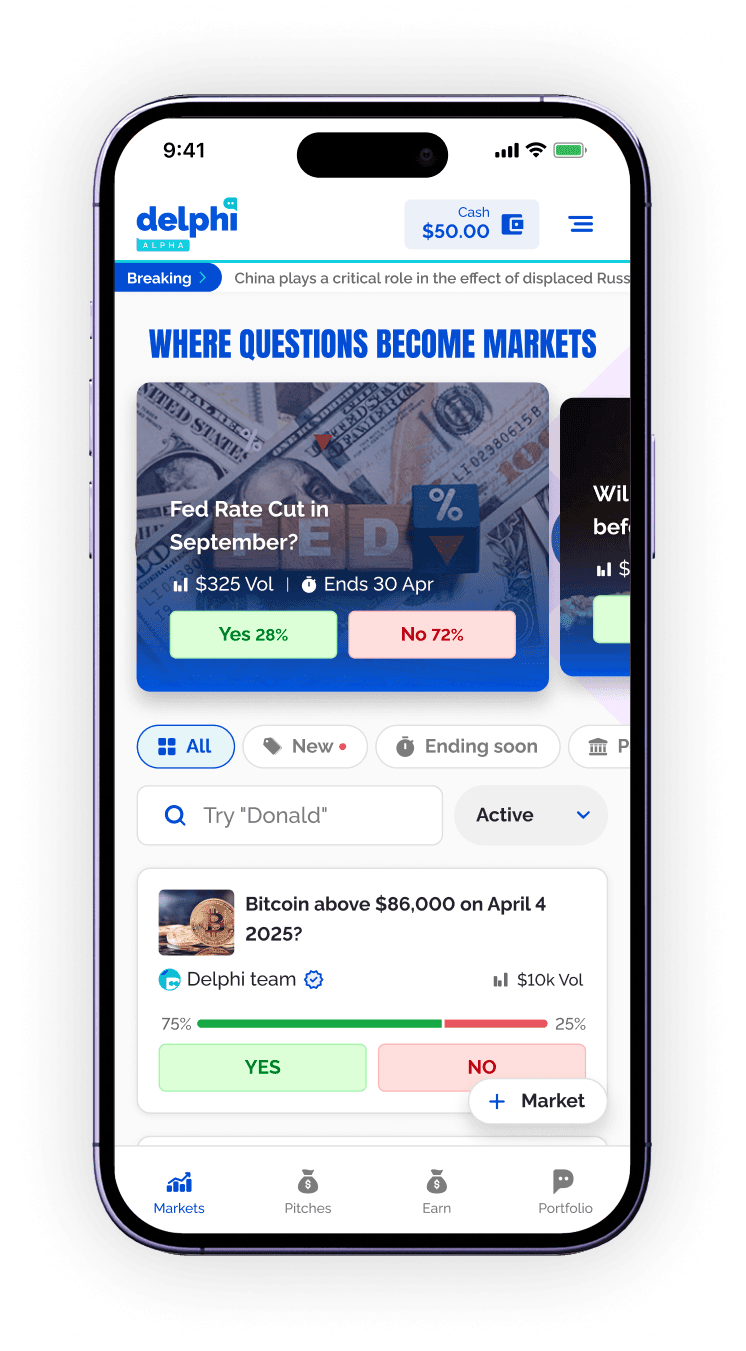
After changing the Max button from wallet balance to market maximum, the manual-adjustment drop-off disappeared from screen recordings.
4 min 20 sec
Median time to first trade - Improved alongside trade completion after the Max CTA change. Fewer steps at the moment a user was committing real money.
Learnings
Looking back, Rewards was the most nuanced UX problem in the product. The main flows were the right priority as they were the foundation everything else sat on, but in focusing on getting those right, Rewards didn't get the same depth of thinking it probably needed. Given the chance to do it again, I'd have carved out dedicated time for it earlier in the process rather than treating it as something we'd refine post-launch.
The Discord and screen recording plan was the right call given the constraints. But it shouldn't have been the plan. It should have been the fallback.
Post-launch
iterations
We built our feedback loop into post-launch: Discord monitoring and screen recordings to catch friction, and metric tracking to find where the product was leaking.
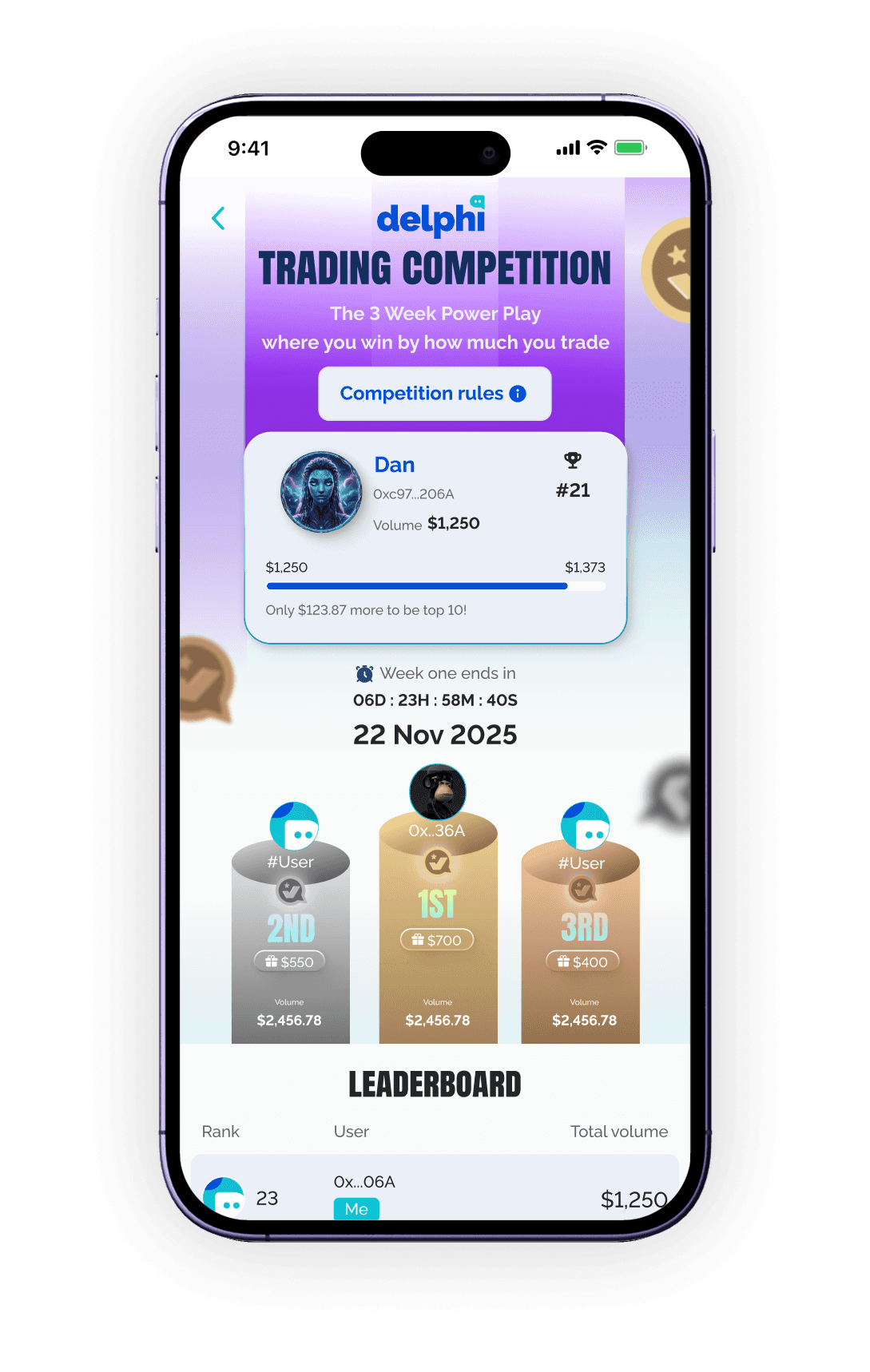
Turning rewards into competition
Points were tied to a future token that couldn't be announced yet. Discord showed frustration: users didn't know what points were worth or why they should care. We reframed them as a live leaderboard


Iterations that moved metrics
Trade completion
rate improved to
82%

First trade activation
moved from 42% to
54%

First traders placed
a second trade
43%